Anúncios
More people are working remotely now than a decade ago. In fact, the number of people who work from home rose 115 percent over the last ten years. That shift makes focus a bigger challenge for many.
As a significant part of today’s workforce, people need new strategies. Managing your environment is the first step to keeping work steady. Simple habits help turn a living space into a productive hub.
Anúncios
To finally get things done you must face common distractions head on. Small changes in routines, boundaries, and layout bring faster wins. These proven methods make it easier to keep attention and meet long‑term goals.
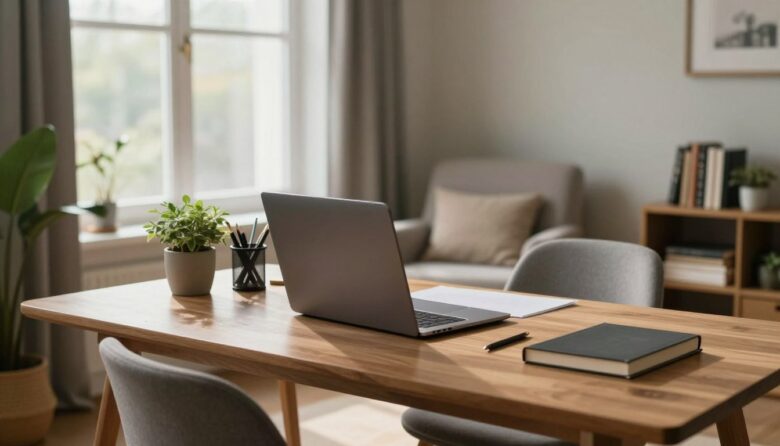
Establishing a Dedicated Workspace
A defined place for your tasks helps signal your brain when it’s time to focus. That simple cue turns an ordinary space into a productivity zone. Treat this area as your office for work routines.
Decluttering Your Desk
Clear the desk of nonessential items. Extra Space Storage recommends taking time to declutter and get organized to clear your mind.
Anúncios
Keep only daily tools on the surface. Store supplies in drawers or bins to maintain visual order.
Investing in Proper Equipment
Choose reliable gear so the office is in working order. A good chair, a dependable computer, and a printer with a permanent spot cut down interruptions.
If you are working home, place tech away from noisy areas. A dedicated room or corner for your setup helps you separate personal life from professional tasks.
- Declutter regularly to protect focus.
- Assign homes for devices to avoid mess.
- Buy gear that supports long sessions without frustration.
- Design the space to match your daily habits.
Proven Ways to Reduce Distractions at Home
Small, practical changes to your space can protect focus and boost output.
A Glassdoor survey of nearly 1,000 American employees found that 32% say watching TV is a top distractions at home. That shows how common interruptions can derail work time.
Start by listing every potential distraction in your office. Note noise sources, devices, and household routines that pull attention away. Identifying each distraction makes it easier to stop them before they start.
- Create a dedicated office space to signal when it’s time to work.
- Set clear rules with others to protect blocks of time for focused tasks.
- Use simple tools—timers, headphones, and a tidy desk—to keep the space steady.
These steps are a proven way to manage interruptions and reclaim your daily rhythm. With small habits, working becomes more predictable and productive.
Mastering Your Daily Schedule
When you plan your hours, work feels less chaotic and more doable. A clear schedule turns vague plans into visible blocks you can protect.
Finding Your Peak Productivity Hours
Start by tracking one week of activity to spot when your energy and focus are highest. Many people find the early morning the best window for deep tasks.
Productivity expert Laura Vanderkam notes that school-age kids can be self-directed for part of the day. Use those stretches for high-value work that needs uninterrupted time.
- Block morning hours for demanding tasks.
- Create brief routines that signal the start of a focused session.
- Set a consistent schedule so your space and family learn when you’re not available.
Manage your hours deliberately and stick to the plan. Over time, a steady schedule makes it easier to meet daily goals with less friction.
Setting Firm Boundaries with Family
Simple signals and routines let your family support your work without constant questions. Start the day with a short chat about plans so everyone knows when you need focus and when you are available.
Creating a Signal System
Use a clear sign on the office door to show your availability. A red/green tag, a small flag, or a light can mean “do not enter” or “ok to talk.” Teach kids what each sign means.
- Keep the signal visible near the door or room.
- Set fixed times when the sign changes so kids learn routine.
- Reward quiet play during your focused blocks.
Managing Childcare Expectations
A Glassdoor survey found 27% of employees say child care is a huge distraction when working in the house. Plan lunch and nap times so children know the schedule.
Tell kids that the office is for work during certain time blocks. Establishing these boundaries in the morning keeps order all day and helps everyone respect your role.
Managing Digital Communication and Email
Smart email routines help you stay responsive without losing long stretches of focus.
Try Laura Vanderkam’s simple rhythm: check messages for five minutes every half hour. This keeps you aware of urgent notes while preserving blocks of deep work.
Set firm boundaries for your inbox. Constantly scanning emails is a fast way to lose momentum. Instead, batch email into specific hours of the day so you protect larger time windows for important tasks.
- Reserve short, scheduled sessions for replies rather than reacting constantly.
- Tell your team the hours you’ll handle emails so they match your availability.
- Know the difference between being responsive and being instant; both serve different purposes.
By syncing your communication schedule with colleagues and keeping clear boundaries, you keep the day predictable and your work steady.
Implementing a Productive Morning Routine
A short, intentional morning routine gives the rest of your day better structure. Starting with small habits makes it easier to protect key hours for focused work.
The Benefits of Physical Activity
Productivity expert Julie Morgenstern recommends beginning with at-home exercise to get blood flowing and sharpen brain function. Even 15 to 20 minutes of movement wakes your mind and body.
Making self-care the first part of your morning boosts energy and raises overall productivity. Research links short bouts of fitness to improved memory and better problem-solving.
- Start with light cardio or stretching for 15–20 minutes.
- Use the routine to mark a clear transition from personal time to work time.
- Keep the ritual consistent so it builds habit and focus across hours.
Prioritizing this routine helps you move toward goals each day and perform better during professional hours. Small steps each morning lead to steady gains over time.
The Importance of Taking Regular Breaks
Brief breaks sprinkled through your day improve attention and stamina. A study by DeskTime found the most productive rhythm is 52 minutes of focus followed by 17 minutes of break.
Short pauses stop your mind from getting pulled into email or other interruptions. Build time away from your home office into your schedule so you return refreshed and ready to work.
Even 17 minutes can reset your thinking. That span helps you handle later emails with clearer judgment and lowers the risk of burnout. Over a full day, these breaks support steady productivity and protect the quality of your output.
- Try a 52/17 cycle to match proven focus patterns.
- Step away from the office to clear your head and change posture.
- Use break minutes for movement, fresh air, or a short rest.
- Limit checking email during focus blocks to keep distractions low.
Staying Social While Working Remotely
“No man is an island,” John Donne wrote, and that line matters when you are working home. Human contact keeps motivation steady and helps you avoid feeling cut off.
Make time to get out and talk to people. Grab lunch with a friend, meet a neighbor for coffee, or spend an hour with family between calls.
Even when you have a lot of work, brief social moments help. A short chat with your spouse or playing with your kids resets your mood and clears mental clutter.
- Schedule social time into your day so it doesn’t interrupt focused blocks.
- Use lunch or a quick walk to connect with someone outside your routine.
- Include children in small rituals so family feels part of your work life, not a constant distraction.
Keeping these ties strong makes remote work more balanced and sustainable over the long term.
Conclusion
A few consistent moves will help you get more done across the typical work day.
Create a simple schedule and defend blocks of time so your routine becomes a steady way to work. A clear office, a short morning ritual, and firm rules with kids make focused hours more reliable.
Handle email in set sessions and take brief breaks to keep energy up. Treat these habits as a small part of your daily plan and use them to stop common distractions from derailing things.
Stick with the plan for several weeks and refine what works. The result is more calm, better output, and a sustainable balance between life and work.

I’m Daniel Carter, a designer based in Chicago with a passion for making small spaces work smarter. After years of living in cluttered apartments, I started experimenting with simple, low-cost organization systems that actually stuck. At Daily Dicas, I share what worked for me — practical tips for anyone who wants their home to feel calmer, more functional, and more intentional.