Anúncios
Turning an apartment into an efficient office can feel overwhelming. This introduction gives a friendly snapshot of practical ways to protect your attention and energy while working remotely.
We compiled 20 practical ideas that cover a dedicated workspace, clear schedule, and simple routines to boost productivity. Small changes — a neat desk, a morning routine, and better email habits — make a big difference.
Anúncios
For example, Sally Tamarkin, features director at SELF, highlights the mental health benefits of a dedicated workspace. Setting clear work hours and planned breaks helps avoid burnout and keeps your brain sharp throughout the day.
In the sections ahead, you’ll find techniques for managing meetings, phone use, file organization, and background noise. Use this list to shape a sustainable routine that fits your space and goals.
Designing Your Dedicated Workspace
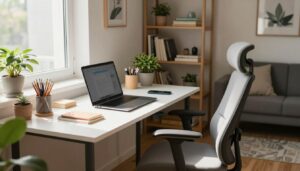
Design a compact area that signals the start of your day. Since June 2014, after leaving an in-office role at SELF, the author tried many setups to improve concentration and mental health. A clear place helps your brain shift into a professional mindset.
Anúncios
Choosing the Right Location
Pick a spot with natural light when possible. Sunlight boosts concentration and supports long hours of remote work without draining energy.
Keep the area separate from living zones so your schedule and life stay distinct. Even a small corner can do this.
Essential Office Supplies
Invest in a good chair and a reliable computer to protect your body and time. Organize a neat desk with supplies and chargers within reach.
- Comfortable chair
- Ergonomic keyboard and mouse
- Notebook, pens, and cable organizer
- Headphones for meetings and background noise
Establish a short morning routine that readies your desk and clears your mind. This simple ritual sets goals for the day and reduces interruptions from phone and emails.
Establishing a Consistent Daily Routine
Set a predictable routine so your brain knows when it’s time to handle important tasks. Start each morning with a short to-do list that names the top one or two priorities. This clears the mind and makes task selection faster.
Block specific work hours and treat them like appointments. Share that schedule with colleagues so meetings land in predictable slots. Pair those blocks with regular breaks to recharge and avoid burnout.
Keep your desk and computer tidy to reduce friction when switching tasks. Match demanding projects to your peak energy times throughout the day. Use simple phone and email settings to protect those focus stretches.
- Begin with a morning list and clear goals.
- Set consistent work hours and break times.
- Coordinate schedule with colleagues to keep meetings useful.
- Keep your dedicated workspace organized for quick starts.
Mastering Work From Home Tips Focus Strategies
A few specific strategies help you protect attention when your apartment doubles as an office. Sally Tamarkin, the features director at SELF in Philadelphia, stresses that such methods are vital for effective remote work.
Start your day by tackling the hardest task while your brain is fresh. Schedule your work hours around peak times so you handle demanding items early and save easier tasks for later in the day.
Minimize interruptions: silence your phone, close unneeded browser tabs, and set simple email rules so messages don’t derail flow. Clear your desk of clutter so the workspace supports concentration rather than distracts.
Take short breaks throughout the day to reset energy and protect mental health. Communicate your schedule to colleagues so meetings and calls land in predictable slots and do not interrupt deep stretches of productivity.
- Do the toughest task in the morning.
- Silence devices and trim browser tabs.
- Block hours that match peak performance times.
- Keep your desk tidy and clear of extra supplies.
Managing Digital Distractions Effectively
Digital interruptions can steal hours of progress before you notice. Managing digital distractions is key when working home and wanting a calm, productive day.
Using Site Blocking Tools
Install a site blocker on your computer and phone during peak schedule windows. Choose strict modes that prevent bypassing during your morning and midday focus stretches.
Silencing Phone Notifications
Put your phone in Do Not Disturb or use app notification rules. Allow only priority alerts for meetings or family so interruptions stay rare.
Managing Social Media Urges
Set two short check times each day for social platforms. Treat those slots as the only way to use feeds so you keep goals ahead of scrolling.
- Keep a tidy workspace and organized desktop to reduce digital clutter.
- Take regular screen breaks to protect mental health and recharge.
- Tell colleagues your focus times so meetings respect your schedule.
Optimizing Your Computer and File Organization
Your computer should help you move faster, not slow you down. A clean digital setup keeps the day steady and saves time when you need files fast.
Make sure files use clear names and live in logical folders. That way you can open the right document in seconds instead of hunting for it.
- Schedule a weekly cleanup to empty the desktop and delete duplicates.
- Use cloud storage for shared projects so your office files stay accessible and secure.
- Sort folders by project or client and add dates to filenames for quick tracking.
- Limit desktop shortcuts and archive old items to reduce clutter.
- Set a brief routine during breaks to tidy the inbox and phone documents.
Keeping your digital workspace tidy boosts productivity and reduces stress. Over time, a streamlined workflow returns hours to your week and helps you keep steady work hours.
Leveraging Background Soundscapes for Concentration
A carefully chosen soundscape can turn a noisy apartment into a calm productivity zone. Soft instrumental layers reduce distraction and help your brain settle into task mode.
Selecting Instrumental Music
Pick lyric-free tracks so words do not compete with complex thinking. Ambient, classical, or low-tempo electronic sets work well for deep sessions in your office or shared workspace.
- Use playlists that keep volume steady and avoid sudden changes.
- Take regular breaks — a 15-minute break every hour or two helps you reset and enjoy the soundscape without fatigue.
- Try noise-canceling headphones to make a private zone, even in a busy home.
- Test different background textures (rain, soft piano, white noise) to find what boosts daily productivity.
Pay attention to how audio affects your time and mood. Small adjustments to playlists can improve your output and make the day feel smoother. Use these tips to make sound an active part of your work routine and mental rhythm.
Utilizing Natural Light and Office Temperature
Natural light and steady temperature have a bigger impact on daily output than most people expect. Position your desk near a window to soak up daylight and lift mood during the work day.
Keep the room a comfortable temperature so you do not get distracted by being too hot or too cold. Small adjustments to heating, a fan, or a portable heater help the workspace feel more energizing.
- Use curtains or blinds to cut screen glare while keeping bright, natural light.
- Step outside for short breaks to get fresh air and reset your concentration.
- Control lighting and climate so your phone alerts and other interruptions matter less during focused stretches.
Tuning light and climate is a simple way to boost productivity and comfort in your home office. When you feel physically steady, your attention stays steadier and the day unfolds with fewer small disruptions.
Incorporating Movement and Physical Activity
A few minutes of motion every hour keeps your body healthy and your daily output steady. Gentle standing stretches, shoulder rolls, or a short walk across the apartment break long sitting periods.
Plan regular breaks into your schedule. Set a gentle timer to stand, stretch, and breathe for two to five minutes. These small pauses boost circulation and protect your concentration.
- Try three simple desk moves: calf raises, seated twists, and neck rolls.
- Take a brisk five-minute walk after lunch to reset energy.
- Arrange your workspace to allow standing or short stretches.
Listen to your body and take breaks when attention slips. Making movement part of the office routine supports mental health and steady productivity without disrupting professional commitments.
Setting Clear Communication Boundaries
Clear rules about availability protect your day and make working home more productive. Say when you are available and when you are not. This reduces surprise interruptions and sets expectations.
Use simple signals so family and colleagues know your status. Try shared calendar blocks, a chat status, or a small sign on the door. Treat those signals as firm office hours.
Handle urgent requests with a brief protocol. Ask for a short subject line and a phone number for real emergencies. That keeps routine messages from derailing key tasks in your remote work routine.
- Declare core hours and repeat them to everyone.
- Use status updates to signal deep work or availability.
- Create a quick emergency contact plan for true urgencies.
Consistency shows respect for other people’s time and yours. A steady boundary system helps your workspace stay focused and supports long-term goals.
Prioritizing Tasks During Peak Performance Hours
Identify the span of the day when your mind feels sharpest and guard it closely. Use that block every day as your primary slot for deep activity.
Begin each morning with a simple to-do list that highlights the one or two items needing full attention. Put the hardest task first so you use your peak energy well.
Protect this time from email and meetings. Close tabs, mute nonessential alerts, and tell colleagues when you are unavailable.
- Schedule demanding projects during peak hours.
- Clear your desk and prep tools before the block starts.
- Use short breaks to recharge between focused stretches.
Remember: productivity is not how many hours you log but how you use your time. A steady routine that guards peak hours lets you do higher-quality work and reach goals with less strain.
Managing Email and Communication Flow
Treat your inbox like a task queue, not a real-time demand center. Set two or three specific times each day to check emails so messages do not interrupt deep work.
Make sure to add communication tasks to your to-do list. That keeps replies visible and prevents small requests from piling up.
Turn off nonessential notifications during prime time. Your phone and desktop should only alert for urgent items so you can protect concentrated stretches of time.
- Block dedicated email slots—morning, midafternoon, and end of day—to triage and respond.
- Use templates and canned responses to speed replies and keep messages clear.
- Quickly sort messages: reply now, add to list, or archive. This triage saves time.
Be selective about what requires an immediate response. Not every note needs a real-time answer, and that judgment preserves your time and productivity.
Consistent habits make your inbox predictable and reduce stress. A disciplined approach helps you handle communication with clarity and sustain steady output.
Supporting Your Mental Health and Well-being
Small daily rituals can protect your mood and keep your days steady while remote work shapes an apartment routine.
Good mental health supports sustainable productivity. Make sure to practice gratitude and short mindfulness moments. These habits reset stress and help you stay positive during a long day.
Practicing Gratitude and Mindfulness
Start and end the day with one small gratitude note. A single sentence in a notebook or a quick breath exercise can slow racing thoughts and lift mood.
Build simple rituals that recharge you. Try three brief actions:
- Two-minute breathing or body scans between tasks.
- A short walk or stretch to clear the head and restore energy.
- One gratitude line written before lunch or at day’s end.
Also, create a support network of colleagues and friends who understand the challenges of a work home setup. Share wins and ask for quick check-ins when you need them. Consistent self-care keeps burnout away and helps your professional life feel more joyful and manageable.
Conclusion
After testing dozens of small changes, the simplest routines proved the most reliable. We covered 30 tips that help you protect attention and shape a productive day.
Use a clear to-do list each morning and guard a regular block for deep tasks. Keep signals for availability and short breaks so your energy stays steady.
Remote work succeeds when your environment, routine, and self-care align. These strategies boost productivity and make each day more manageable.
Be patient as you try new habits. Stay consistent, adjust what feels off, and you’ll build a sustainable system that supports your goals.

I’m Daniel Carter, a designer based in Chicago with a passion for making small spaces work smarter. After years of living in cluttered apartments, I started experimenting with simple, low-cost organization systems that actually stuck. At Daily Dicas, I share what worked for me — practical tips for anyone who wants their home to feel calmer, more functional, and more intentional.