Anúncios
Turning a compact apartment into a useful work area takes smart choices and a clear plan. Peti Lau Design shows how a Columbus Circle pied-à-terre becomes both guest bedroom and a practical workspace with a multifunctional wall bed and desk system.
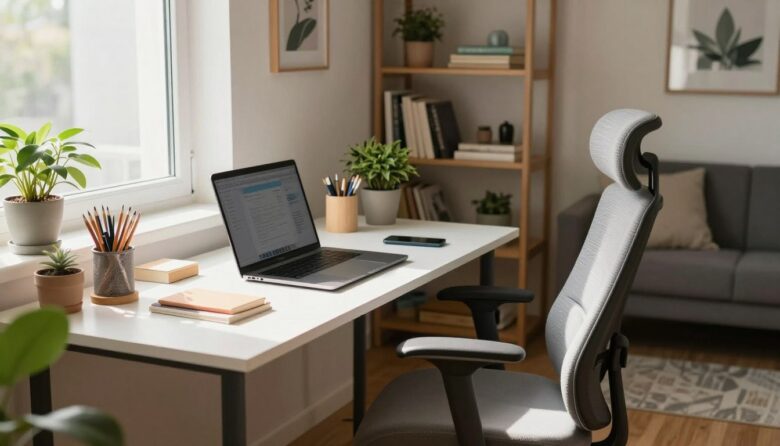
Pick furniture that stores essentials and frees the desktop for tasks. A drop-down desk, slim shelving, and a comfy chair carve out a productive nook without crowding the living room or bedroom.
Anúncios
Good light and a bold wall color help define the corner so your work feels distinct from daily life. With thoughtful design, even limited footage can support focused work and creative flow.
The Benefits of a Dedicated Workspace
Carving out a dedicated corner for work can sharpen focus and make each day feel intentional.
Research shows a dedicated home office boosts concentration and productivity. When you move tasks to a specific room or nook, your brain adopts a professional mindset faster. That makes it easier to start and stop work at predictable times.
Anúncios
A thought-out design also supports health. Invest in an ergonomic desk and chair to reduce strain during long days. Add a lamp and layered light so tasks are easy on the eyes.
- Convert a guest bedroom or closet into a useful workspace to get more from your footage.
- Use neutral walls, smart shelving, and custom drawers to keep supplies tidy and surfaces clear.
- Dual-purpose rooms increase resale appeal while giving you a calm retreat for planning or creative work.
Even in compact rooms, the right furniture piece and color choices can expand the feel of the living area. A dedicated area blends personal style with practical solutions for daily life.
Assessing Your Available Square Footage
Start by mapping your room so every inch works for productivity and comfort.
Measuring for Success
Before you buy a desk or shelving, perform a quick audit of underused corners and nooks. Note door swings, window sills, and closet depth so nothing blocks traffic or light.
Commercial real estate expert Sam Zoldock says to “measure twice, buy once.” Document every dimension and sketch a simple floor plan. That saves you from the common error of a desk that is a couple inches too wide for the floor.
- Measure wall-to-wall width and depth; write down usable floor footage.
- Check vertical clearance and mark potential places for shelving or a wall-mounted desk.
- Scan for odd architectural spots — hallway ends, stair landings, or a closet that can become a workstation.
- Confirm clearances for a chair and a lamp so daily tasks feel comfortable and efficient.
Accurate measurements let you choose furniture and a desk with the right surface and storage. Plan carefully and your workspace will feel deliberate, not improvised.
Essential Home Office Setup Small Space Strategies
You can reclaim limited floor area by thinking upward and editing what you keep. A vertical mindset frees floor and makes your room feel larger.
The Vertical Mindset
When floor space is tight, treat walls as active work zones. Mount shelves, a bracketed desk, and task lighting to clear the surface of clutter.
Train yourself to look up when planning storage. Use tall shelving and pegboards above a desk to store supplies, files, and a lamp.
Decluttering Rules
Adopt a simple rule: for every new item you add, remove one. This keeps your desktop clear and prevents supplies from spreading into living areas.
- Keep essentials within arm’s reach and archive the rest.
- Limit extras that steal square footage or visual calm.
- Use vertical storage to convert a corner or closet into a focused workspace.
Choosing the Right Desk for Tiny Footprints
The right desk can turn an awkward corner into a focused workspace.
Sales of desks under 40 inches rose over 200% from 2020 to 2023, so compact designs matter. Floating desks, which attach to the wall, clear the floor beneath and keep floor space open.
A wall-mounted drop-leaf folds flat when the day ends. Triangle desks fit into odd corners and create a roomy work surface without stealing the living area.
- Floating or wall-mounted desks: open floor beneath for a chair and foot room.
- Drop-leaf and folding laptop tables: fold away to save footage and hide clutter.
- Triangle desks: turn hallway nooks or bedroom corners into efficient work zones.
- Minimalist desks with built-in storage: keep the surface clear and boost productivity.
When you pick a desk, measure for chair clearance and lamp placement. The right design gives a functional surface, smart storage, and a professional feel without a large room.
Maximizing Vertical Storage Potential
Smart vertical choices turn unused wall real estate into a tidy, efficient workspace. Adding height-focused storage clears floor space and boosts productivity in tight rooms.
Floating Shelves
Floating shelves create storage without bulky furniture. Install them at varying heights to hold books, baskets, and a lamp above your desk.
Mix open shelves with a wall-mounted cabinet to hide clutter and keep the surface clear for work. Cube shelving units also adapt as needs change.
Pegboard Organization
Pegboards turn a plain wall into a tool wall. Hang scissors, chargers, cables, and small bins so supplies stay visible and easy to reach.
- Use baskets on shelves to corral loose items.
- Add an over-desk hutch to double storage without eating floor.
- Mount a slim cabinet for a minimalist look and hidden supplies.
A 2022 survey found over 80% of small home office users reported better organization after adding vertical storage. Look up first—your walls can solve many storage problems.
Implementing Layered Lighting Techniques
Layered lighting changes a cramped nook into a calm, productive corner with just a few well-placed fixtures. Good lighting reduces eye strain and makes long hours at the desk feel easier.
Begin with a ceiling fixture for overall brightness. Add a focused lamp—an articulating desk light or wall sconce—so task work stays sharp without harsh glare.
Use LED strips under shelving or along the back of your desk to add soft ambient glow without taking surface storage. A dimmable floor lamp can anchor the area and offer sculptural style while freeing desk room.
- Place the desk perpendicular to windows to maximize natural light during the day.
- Choose daylight bulbs to mimic outdoor light and support your circadian rhythm.
- Install pendant lights when floor and desk space are limited—these hang and stay out of the way.
- Opt for dimmable controls so brightness matches tasks from high-focus work to winding down.
One client in Irondale replaced a single bulb with three layers and saw productivity skyrocket. Thoughtful lighting is a low-cost design move that lifts mood and makes any compact workspace feel professional.
Selecting Ergonomic Seating for Compact Areas
A thoughtful chair choice keeps your body supported without overwhelming a compact room. Good seating protects posture and makes long desk days easier.
Compact Chair Options
Choose chairs under 24 inches wide when floor footage is tight. These models offer lumbar support without dominating the corner or crowding shelving.
- Armless swivel chairs tuck under the desk and free floor in a shared room.
- Saddle stools and kneeling chairs boost posture while using very little floor area.
- Folding desk chairs store away when the day ends, perfect when a room doubles as a guest area.
- Use a footrest or lumbar cushion to upgrade an existing seat without buying new furniture.
Pick a chair that matches your taste and supports daily work. A cramped office shouldn’t mean a cramped body—prioritize comfort and movement to keep productivity high.
Utilizing Underutilized Nooks and Crannies
Transforming tiny nooks into productive areas hinges on seeing odd angles as opportunities rather than obstacles. Often-overlooked architectural quirks—stair landings, hallway ends, or the area beneath stairs—make excellent locations for a compact desk and storage.
Designer Becky Spector used the Kali Duo Board with an integrated desk to turn a foyer corner into a multifunctional work spot. A slim desk in an empty corridor keeps floor space open while giving you a private workspace.
- Convert under-stair voids with custom shelving and a built-in desk to reclaim wasted footage.
- Top-of-stair landings and mezzanine platforms can host raised desks for a separated work feel.
- Modular furniture and wall-mounted units let you tailor storage and surface to odd dimensions.
By thinking beyond the traditional room, you can maximize every square footage inch. Use these ideas to craft a corner that supports focused work and fits your design and furniture preferences.
Transforming Closets into Productive Workstations
A closet can become a hidden, high-functioning nook with just a few targeted changes.
Start by removing doors and mounting a sturdy desk surface at 28–30 inches. This creates a tucked-away home office that disappears when you close the doors.
Emily Edelman used a stack of flat file drawers in her closet conversion to store office supplies in slim, 1.5-inch trays. That keeps the desktop clear and your papers organized.
- Install under-shelf LED strips to light the whole workspace without shadows.
- Add floating shelves or a wall grid above the desk for vertical storage.
- Pick a slim-profile chair that tucks fully under the desk to save floor footage.
- Include a quiet USB desk fan to keep air moving during long work sessions.
The “out of sight, out of mind” nature of a cloffice helps you separate work from personal life. With smart storage and the right desk height, a closet becomes a calm, efficient room for focused tasks.
Incorporating Multifunctional Furniture Pieces
Multifunctional furniture lets a room shift roles in seconds without feeling cluttered. Choose pieces that hide when you aren’t using them and open to reveal a true work surface when you are.
Murphy Desks
Murphy-style units fold neatly against the wall and reclaim floor space at day’s end. The LGM revolving wall bed pairs a queen bed with a five-foot fold-down desk and shelving, ideal for a hybrid home office and guest room.
Ladder Desks
Ladder desks stack shelving above the desk, giving you vertical storage and a slim footprint. They keep papers and devices off the surface so your work surface stays clear.
Secretary Desks
Secretary desks hide work behind a decorative front. Close the cabinet and the room instantly looks guest-ready while drawers and cubbies keep supplies organized.
- Drop-leaf desks with built-in drawers remove the need for extra filing furniture.
- Choose pieces that adapt so the room can switch from rest to work fast.
- Invest in quality multifunctional items to make every inch of floor space count.
These ideas help you create a flexible, well-designed workspace that serves both guests and daily work. Thoughtful design makes a compact room function like a larger one.
Managing Cables and Tech Clutter
A tangle of cords can make even a well-designed desk feel chaotic.
Start by routing power strips under the desk and using cord clips along the wall. Simple clips and an under-desk tray hide power bricks and excess length so devices stay out of sight.
USB hubs and wireless chargers cut the number of cables on your surface. If desk real estate is tight, add a keyboard tray to free valuable tabletop room.
MicroFlex™ LLC, with locations in Birmingham, Irondale, and Hoover, notes that professional cable management instantly upgrades a workspace’s feel. When cables are tidy and storage is smart, the room reads as intentional rather than cluttered.
- Collect power strips in a tray under the desk to keep cords off the floor.
- Use adhesive cord clips and cable sleeves to group wires along a wall or leg.
- Adopt wireless chargers and a single USB hub to reduce visible plugs.
A clean desk helps you focus and makes short, daily tasks feel easier. Managing tech clutter is one of the fastest ways to make any compact office feel more professional and inviting.
Creating Visual Boundaries in Shared Rooms
When rooms must multitask, visual dividers help your mind treat work like a separate activity.
Use an open-backed bookshelf—an IKEA IVAR or KALLAX unit works well—to split the room while adding storage for books and files. The unit keeps sightlines open so natural light still reaches the desk and the rest of the room.
Position a divider so it creates a clear break between living and work zones. Even a three-panel folding screen hides a desk at day’s end and helps you mentally log off.
- Combine a shelf divider with trailing plants to soften the barrier and boost mood.
- Use a distinct desk lamp or a painted wall behind the desk to mark the workspace.
- Try a Multi-Zone Room Divider to carve a defined office within an open-plan room.
Physical barriers matter. They protect focus, keep clutter contained, and help you leave work where it belongs — outside your relaxation areas.
Personalizing Your Workspace with Decor
Details like art, texture, and lighting give a modest workspace real personality. Start small: pick two or three pieces that reflect your taste and layer them with tactile materials.
Arrange artwork on the floor or a bed first to test compositions before you commit to the wall. Begin with the largest piece as a focal point, then build outward with smaller frames and objects.
- Use framed photos, travel finds, or prints to make the area feel distinctly yours.
- Keep frames or a color palette consistent to create a polished, cohesive look.
- Add a mirror opposite a window to reflect light and open the room visually.
- Introduce one luxe material—velvety leather or brushed bronze—to add warmth and depth.
Don’t shy away from a bold print or moody paint; these choices can define a desk nook and spark creativity. Personal touches make your home office inviting and help you focus each day.
Establishing a Daily Reset Routine
Finishing your day with a quick desk sweep creates a clear mental boundary between tasks and rest. Emily Forgione, who transformed her 235-square-foot Brooklyn studio, says clearing her desk each night changed how she felt about her space and her mood the next morning.
Try a five-minute routine: clear dishes, file or scan loose papers, wipe surfaces, and return office supplies to their storage. Aim for inbox zero or close to it so digital clutter doesn’t follow you into tomorrow.
Take a brief stretch break after you tidy. Physically stepping away matters when your commute is only a few steps.
- Rapid tidy: clear desk, stow cords, and wipe surfaces.
- File or digitize papers to keep the wall and shelves tidy.
- Close email loops to prevent morning overwhelm.
Ending each day by clearing your desk helps the room feel like a living area again. This tiny habit protects your work-life balance and makes every morning in your home office feel fresh and focused.
Maintaining Focus in a Compact Environment
Focus in a limited footprint starts with rules that protect time and clear surfaces. Adopt a ruthless edit: keep only what you need on the desk and store the rest.
Use natural light when possible and add a dedicated lamp for late-day tasks. Proper lighting and an ergonomic chair prevent aches and keep work productive.
IKEA design experts note that odd corners and areas under stairs or in a closet can become useful work zones. Treat those nooks like intentional extensions of your workspace.
- Leverage vertical space with shelving and hanging organizers to free the work surface.
- Create visual zones: a distinct lamp or a painted wall lets your brain switch into work mode.
- Manage cables and tech clutter so the room feels larger and more professional.
When every inch of square footage counts, plan storage and furniture so the desk remains clear. A calm, well-designed home office supports focused work and a balanced life.
Conclusion
Simple upgrades and daily habits turn tucked-away corners into reliable places to focus and create.
Prioritize vertical storage, a supportive chair, and layered lighting to boost comfort and clarity. Choose a Murphy desk, a closet conversion, or an under‑stair nook that fits your routine and style.
Keep clear boundaries between professional tasks and personal time. A five-minute nightly reset makes mornings calmer and prevents clutter from growing.
Start small, measure carefully, and pick multifunctional pieces that adapt as needs change. With thoughtful choices and consistent habits, you can craft a productive, calm area that suits your life.

I’m Daniel Carter, a designer based in Chicago with a passion for making small spaces work smarter. After years of living in cluttered apartments, I started experimenting with simple, low-cost organization systems that actually stuck. At Daily Dicas, I share what worked for me — practical tips for anyone who wants their home to feel calmer, more functional, and more intentional.