Anúncios
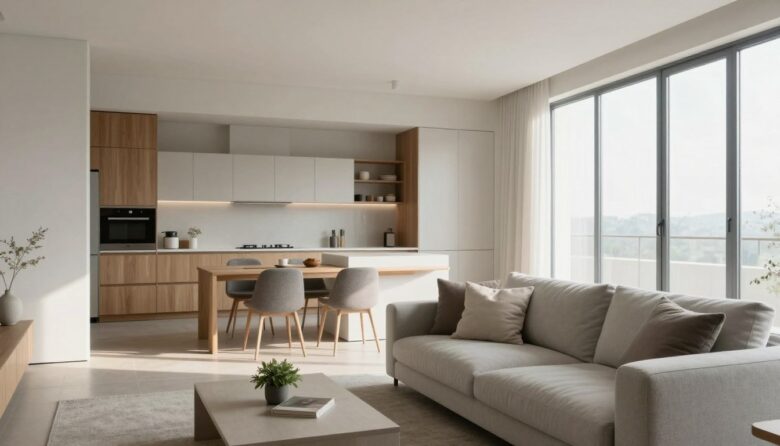
Living with less can sound extreme, but small changes often make a big difference. Debra Duneier, Senior Interior Designer at EcoChi, says minimalist interior design creates space to be mindful and open to new experiences. That sense of room helps you notice what matters in daily life.
Tess Bercan found moving to a small studio in Costa Rica helped her shift toward minimalism and a calmer lifestyle. Blogger Chad McMillan shares useful links to collections and ideas for people who are starting this kind of design journey.
Simple decor and clear surfaces reduce clutter and can lift your mood in busy urban settings. These introductory notes will help you explore gentle, practical steps that fit your life and space.
Anúncios
– Expert designers say simplicity creates mindful space.
– Small moves can ease a lifestyle change.
– Curated links and ideas help you begin without stress.
Anúncios
Understanding the Minimalist Mindset
Editing what you keep often opens up unexpected space for the things you love. This shift is less about rules and more about defining how you want to live and what brings value to your life.
Defining Your Goals
Start by naming one clear goal. It could be more room to work, calmer walls, or lower monthly costs. Debra Duneier links interior design with wellness, ancient wisdom, and sustainable practice to guide that choice.
The Benefits of Less Stuff
There are practical gains as well as emotional ones. Ryan Millburn moved from a loft with brick walls and wood floors to a smaller apartment and cut monthly expenses.
Less clutter can improve focus, reduce spending, and free time for hobbies. You do not need to live out of a bag; the aim is a way to be content with fewer things while keeping a beautiful home.
- Clear goals make decisions simple.
- Fewer items save money and time.
- Sustainable choices support interior health.
- Small edits preserve a stylish design.
Essential Minimalist Apartment Tips for Beginners
Start small: pick one room and make a single, meaningful change today. Working room by room keeps the project manageable and helps you see progress fast.
Clear floors and surfaces first. That simple move opens visual space and makes a home feel calmer. Ryan Millburn found that removing a few items made his small space feel much larger.
Choose quality over quantity when you replace or buy. A few well-made pieces keep your living area functional and attractive for years. This approach cuts waste and saves money over time.
- Start with one room to build momentum.
- Clear horizontal surfaces and the floor for instant space.
- Keep only items that serve a purpose or bring joy.
- Replace multiples with a single, durable choice.
These practical ideas make the transition steady, not sudden. Follow small steps and measure what really improves your daily life.
The Power of the Stay Maybe Go System
Using a practical system removes guesswork from clearing your home and supports gentle minimalism. Debra Duneier recommends the Stay-Maybe-Go De-Cluttering System as a clear way to decide what belongs.
Sort into three piles: Stay, Maybe, Go. Put anything you are unsure about into a box and store it away. Label the box with the date and keep it sealed for six months.
After six months, open the box and make a short list of the things you actually missed. Donate the rest of the items you no longer need. This simple rhythm prevents impulsive decisions and cuts down clutter.
- Sort into Stay, Maybe, Go.
- Store the Maybe box for six months.
- List missed items, then donate the remainder.
This method frees up space, invites new people and projects into your life, and makes maintaining order easier over time. Treat it as a gradual practice rather than a one-time purge.
Bringing Nature Indoors for a Calming Vibe
A few well-placed plants can make any living place feel calmer and fresher. Greenery adds life without clutter, and it works with a pared-back decor to soften edges and invite rest.
Using Plants as Air Purifiers
Debra Duneier notes that plants act as natural air filters and help remove indoor toxins in a minimalist apartment. Adding a handful of hardy varieties boosts air quality and gives your interior a healthier feel.
Choose low-maintenance greenery like snake plant, pothos, or spider plant. These species thrive in many light levels and require little fuss.
- Green is restful for the eyes and eases visual stress.
- Plants connect design to nature and enrich the overall space.
- Careful placement keeps the look intentional rather than crowded.
Use plants to anchor corners, frame windows, or sit on a clean shelf. This approach supports minimalism while making your home more breathable and inviting.
Selecting Quality Furniture That Lasts
A single well-made piece can transform a room and save you time and money later. Choose items that feel right, work well, and age gracefully with your lifestyle.
Test comfort in person before you buy. Debra Duneier recommends visiting a store to sit on the couch and judge support, cushion fill, and scale. What looks good online may not feel right in real life.
Testing Comfort in Person
Try different seat depths and arm heights. Move cushions and check the frame for solid joinery. Sit as you would daily—reading, watching, or lounging—to make sure the piece meets your needs.
Checking for Eco Friendly Materials
Seek Green Seal-certified sofas when possible. This label shows fabrics and fillings were tested for low emissions. Favor natural or recycled fabrics to avoid harsh chemicals in your living space.
- Buy durable furniture that fits your space and decor.
- Pick a couch built with strong joinery and quality wood or metal frames.
- Invest in fewer, better pieces so each serves more than one purpose.
Mindful Color Choices for Your Living Space
A thoughtful palette can make a small space feel rooted and restful.
Debra Duneier notes that every color has its own vibration and can affect healing and mood in a living space. Use that idea to guide simple, calming choices for your interior.
Soft beige, gentle greens, and sky-like blues create a grounded feel. These colors mimic nature and help a room feel open without adding clutter.
For gentle warmth, try soft peaches, pale pinks, or lavender accents. These tones soothe the mind and pair well with natural materials in design.
- Pick one dominant neutral and two soft accent colors.
- Test swatches in daylight before painting walls.
- Use textiles and plants to add color without crowding surfaces.
Thoughtful color choices support a quieter, more mindful approach to minimalism. When colors match how you want to feel, living at home becomes easier and more peaceful.
Creating a Tech Free Sanctuary in the Bedroom
Turn your bedroom into a calm refuge by clearing out devices that steal your rest. A focused design for sleep helps you feel restored after a long day and keeps stress from spilling into the night.
Removing Electronics for Better Sleep
Debra Duneier advises keeping televisions and most electronics out of the bedroom to protect sleep quality. Removing visual and audio distractions creates a sense of quiet that supports healthier routines.
Ryan Millburn keeps a single phone charger that doubles as an alarm next to his bed; it is his only clock. That small choice limits screen time before bed and reduces late-night scrolling.
Taking regular breaks from devices gives your mind, body, and spirit space to recover. After a day of meetings and city noise, stepping into a calm bedroom can feel like a private oasis.
- Keep screens out of the sleep space when possible.
- Limit bedside electronics to essentials, like an alarm charger.
- Create a short nightly ritual that signals sleep time—reading, stretching, or dim lighting.
Some people, like Millburn, use the bedroom as a quiet place to work very early in the morning. If you do any work in that room, set strict hours so the space remains associated with rest, not constant productivity.
Maximizing Natural Light in Your Home
Good daylight changes how a room feels and how you feel inside it. Debra Duneier calls natural light a mood elevator and says it should be central to any minimalist apartment design.
Start by letting in whatever sun you have. Keep window treatments light and move bulky furniture away from panes so light travels across the space.
Use solar shades to control glare and heat during the peak of the day. They let you keep a bright room without overheating or fading fabrics.
If true daylight is limited, add full-spectrum white bulbs in the afternoon hours. These bulbs mimic daylight and help keep your rhythm steady when the sun is low.
- Maximize windows and reflective surfaces for better illumination.
- Install solar shades to manage heat and glare.
- Choose full-spectrum bulbs for midday mimicry and warmer bulbs at dusk.
End your day with warmer-colored lamps to help sleep quality. Natural light is the ultimate accessory: it highlights design, beautifies the home, and makes any living space feel more alive.
Keeping Surfaces Clear for Visual Peace
When flat surfaces stay tidy, the whole room breathes easier. Clear tabletops cut visual clutter and lower daily stress.
Ryan Millburn suggests leaving only one or two simple decorations on a table or console. That single piece can act as a focal point and let the wall and furniture around it feel calm.
Avoid stacks of books or loose papers. Stacks make a space feel busy even when most items are useful.
Store objects and small things out of sight in cabinets, drawers, or boxes. Keep only the essential pieces on display so each item earns its place.
- Limit visible pieces to maintain visual peace and good design.
- Keep counters clear to reduce daily decision fatigue.
- Use hidden storage to hide things that are needed but not decorative.
- Inspect surfaces weekly and remove any stray items or clutter.
The Importance of Designated Storage Spots
When each object has a consistent spot, your living areas stay orderly with less effort. Give your items a clear place in the home so daily routines run smoother and surfaces stay uncluttered.
Choose logical storage near where you use things. Keep chargers by the desk, cookware near the stove, and shoes by the door. This reduces trips and keeps the room practical.
Store stuff out of sight in drawers and cabinets to make every space feel calm. Ryan Millburn stresses that naming a spot for every item is the single habit that keeps a minimalist approach working over time.
- Label shelves and boxes so you always know where things belong.
- Group similar items together for faster access and fewer decisions.
- Hide daily clutter—mail, keys, and random stuff—in single-use containers.
- Keep frequently used objects at arm’s reach to save time.
- Inspect storage areas weekly and clear what no longer fits your life.
Choosing Simple Artwork and Decor
A well-chosen wall piece can anchor a room and reflect who you are. Use one clear example of art rather than many small items so the eye has room to rest.
Ryan Millburn recommends using personal drawings, like his dad’s sketches, to keep a space from feeling boring. One or two pieces work best; they act as accents without crowding the walls.
Frame works in a subdued, solid color to match your design and let the art stand out. Leaving other walls bare creates contrast and helps each piece feel intentional.
- Pick personal art that means something to you.
- Limit visible pieces so each one can breathe.
- Use framed solids to unify the room’s color and tone.
Simple decor and thoughtful art maintain balance and show your style. Try one small change and see how the space responds to a single, strong piece.
Why Quality Beats Quantity Every Time
Choosing fewer, better objects makes daily life easier and more joyful. A clear home with well-made pieces saves you time and thought each day.
Ryan Millburn removed 2,000 books from his apartment and kept only a handful he uses for work and study. That single edit gave him more visual space and sharper focus.
One solid table can replace five press-board pieces. Quality furniture looks better, lasts longer, and cuts the cycle of replacing cheap items.
Minimalism here means intentional living: buying fewer objects that serve a purpose and reflect your values. Spending a bit more on one trusted piece often saves money over the long course of life.
- Keep only pieces you use regularly and love.
- Choose materials that age well and repair easily.
- Focus on items that support your work and daily routine.
When your walls and surfaces hold fewer items, each piece earns its place. That approach helps people feel freer and makes a home kinder to daily life.
Simplifying Your Kitchen and Dining Area
Clear counters and thoughtful storage turn meal prep into a simple, pleasant task. In Ryan Millburn’s bright, open room the kitchen and dining area live together, with a table that seats six and enough breathing room for guests.
Cabinets hide little things like herbal teas and a masticating juicer so the space reads calm, not crowded. A short dividing wall or bar gives a casual eating surface between the kitchen and living area without adding clutter.
Keep counters free of everything except essentials: a coffee maker, a toaster, maybe a small bowl for keys. Removing unnecessary objects helps each piece of furniture earn its place and purpose.
- Use cabinets and drawers to hide stray stuff and small objects.
- Choose one useful piece of furniture for multiuse, such as a table that also stores linens.
- Let the wall and surfaces remain mostly empty so the room feels open and easy to work in.
Managing Your Closet and Personal Items
What you store behind the door shapes how the whole room feels. A neat closet keeps daily routines simple and preserves the calm of your bedroom and adjacent areas.
Ryan Millburn uses his bedroom closet for the rest of his clothes and a few iron weights for 18 minutes of daily exercise. That compact setup saves space and keeps things easy to find.
Keep only what you need within reach. Store seasonal or seldom-used items out of sight so the visible areas stay tidy. Check clothing and personal items every few months to confirm they still serve a purpose in your life.
- Use shelves and bins to group like items for quick access.
- Reserve one zone for active wear and small fitness gear, like Millburn’s weights.
- Label boxes so you can remove or return items without fuss.
- Fold vertically or hang by category to save wall and floor space.
Simple systems and regular edits make the closet work for you. When storage stays organized, the rest of your home keeps its visual peace.
Maintaining Your Space Over Time
Short, regular efforts preserve calm and make cleaning fast. Good design makes upkeep feel simple and saves you time each week in your home.
Ryan Millburn notes his current minimalist apartment takes less than 45 minutes to clean, including mopping and scrubbing the bathroom. That quick routine proves that owning less reduces chores and frees your day.
Return to each room every few months to edit and simplify further. Small seasonal checks stop clutter from growing and help every space stay intentional.
- Keep a short weekly checklist so cleaning stays under an hour.
- Store extras out of sight to make daily resets faster.
- Schedule a quarterly sweep to pare down items you no longer use.
- Explore different ways to keep routines fresh and sustainable.
Remember, minimalism is a journey. A well-designed home lets you focus on yourself rather than what you own, and steady care keeps that calm feeling every day.
Conclusion
Small, steady edits can change how you use and enjoy each room. Apply the ideas here to shape a calm living space that fits your life and values.
Adopting minimalism is a personal journey for many people. It is about simplicity, not deprivation. These approaches work across apartments and larger homes alike.
Keep experimenting, and use our blog links for more ideas and resources. With gentle steps, you can build a lasting lifestyle that feels relaxed, useful, and truly yours.

I’m Daniel Carter, a designer based in Chicago with a passion for making small spaces work smarter. After years of living in cluttered apartments, I started experimenting with simple, low-cost organization systems that actually stuck. At Daily Dicas, I share what worked for me — practical tips for anyone who wants their home to feel calmer, more functional, and more intentional.