Anúncios
The shift toward a simpler way of life often started as a tidy-up task. Over time, many people found it grew into a deeper journey of choice and attention.
This approach helped people rethink possessions and daily habits. It taught clear priorities and reduced distractions. The focus moved from quantity to purpose.
People who embraced minimalism discovered more than neat rooms. They saw clearer routines, calmer minds, and space for meaningful work and relationships. That change shaped how they spent time and money.
Anúncios
Commitment matters. Evaluating routines and consumption revealed what truly served each person. The true benefits came from steady practice, not a single edit or purge.
As you read on, expect practical takeaways and gentle steps to try. This friendly guide aims to show how a simple lifestyle can open room for what matters most.
Understanding the Core Principles of Minimalist Living
Simple principles guide decisions about possessions and the spaces we inhabit. These rules help turn daily choices into a clear, repeatable way to reduce clutter and focus on quality.
Anúncios
Defining Intentionality
Intentionality means buying and keeping items that serve a real use in your life. Thoreau summed this up: “I make myself rich, by making my wants few.”
Adopting this mindset cuts unnecessary consumption and creates room for what matters most.
Quality Over Quantity
Choose fewer possessions that deliver better value and last longer. When each item has purpose, spaces feel calmer and upkeep is easier.
- Keep essential items like clothing, food, and key electronics.
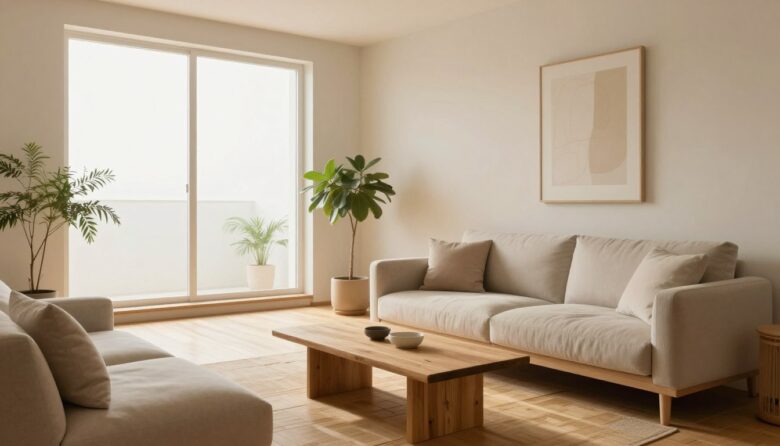
- Create clutter-free spaces that resemble the simplicity of a tidy hotel room.
- Favor natural materials and neutral tones to support calm and cohesion.
Financial Advantages of Minimalist Living Benefits
Simplifying what you buy changes how money flows through your life. Choosing needs over wants makes it easier to pay down debt and grow savings. This shift reduces needless spending and gives clear goals for your home budget.
Brian Gardner put it well: “I’ve learned that minimalism isn’t about what you own, it’s about why you own it.” That idea changes priorities. It nudges you toward spending on experiences and relationships instead of goods that sit unused.
The practical results are real. Fewer purchases mean more savings and less stress. Minimalists report a greater sense of freedom and better control over long-term plans.
- Prioritize debt repayment and build an emergency fund.
- Track spending so your money supports quality time and relationships.
- Use tools like a TENCU savings account to manage funds and meet goals.
- Invest in health and experiences for lasting happiness and satisfaction.
How Minimalism Supports Environmental Sustainability
When people buy less, the planet benefits through fewer shipments, less waste, and lower emissions.
Reducing Global Carbon Footprints
Adopting minimalism can cut demand for mass-produced goods and lower energy use in manufacturing and transport.
As the 2025 Los Angeles wildfires show, reducing our global carbon footprint matters now. In 2022, international shipping made up about 2% of energy-related emissions. Favoring local goods helps shrink that share.
- Choose durable, reusable items to limit plastic waste and reduce microplastics in our bodies.
- Use natural light and energy-efficient habits to lower household energy use.
- Buy from local sellers so fewer goods travel long distances, easing emissions from shipping.
- Businesses can use Greenly to measure and reduce their carbon impact.
This reduction in consumption and consumerism is one of the best ways to protect the world and make room for a healthier life and more useful space.
Improving Mental Clarity and Personal Well-being
Removing clutter reshapes routines and creates room for clearer thinking. Clearing physical space helps calm the mind and cut daily distractions.
Decluttering your home is a proven way to improve mental health. When fewer items demand attention, you focus faster and finish tasks with less stress.
Alexander Sattler captured this idea: he’d rather own a little and see the world than own the world and see a little. That view points to happiness found in experiences over material possessions.
The best way to gain time and freedom is to simplify what you own. Minimalism also nudges people outdoors, improving physical health and mood.
- Save time on cleaning and use that time to deepen relationships.
- Reduce spending and direct savings toward travel, health, or learning.
- Create simple spaces that support focus, calm, and lasting satisfaction.
In short, this style of living changes how you spend money, time, and attention. It can bring a stronger sense of freedom, health, and meaning to your life.
Embracing a Simpler Future
Small choices in minimalism change how your life unfolds. Focus on quality over quantity to value experiences more than items.
A clutter-free home saves time and energy. Less consumption means a smaller environmental impact and clearer priorities for spending and money.
As you continue the journey, prioritize health, relationships, and financial freedom. This way of life offers real satisfaction and protects resources for future lives.

I’m Daniel Carter, a designer based in Chicago with a passion for making small spaces work smarter. After years of living in cluttered apartments, I started experimenting with simple, low-cost organization systems that actually stuck. At Daily Dicas, I share what worked for me — practical tips for anyone who wants their home to feel calmer, more functional, and more intentional.